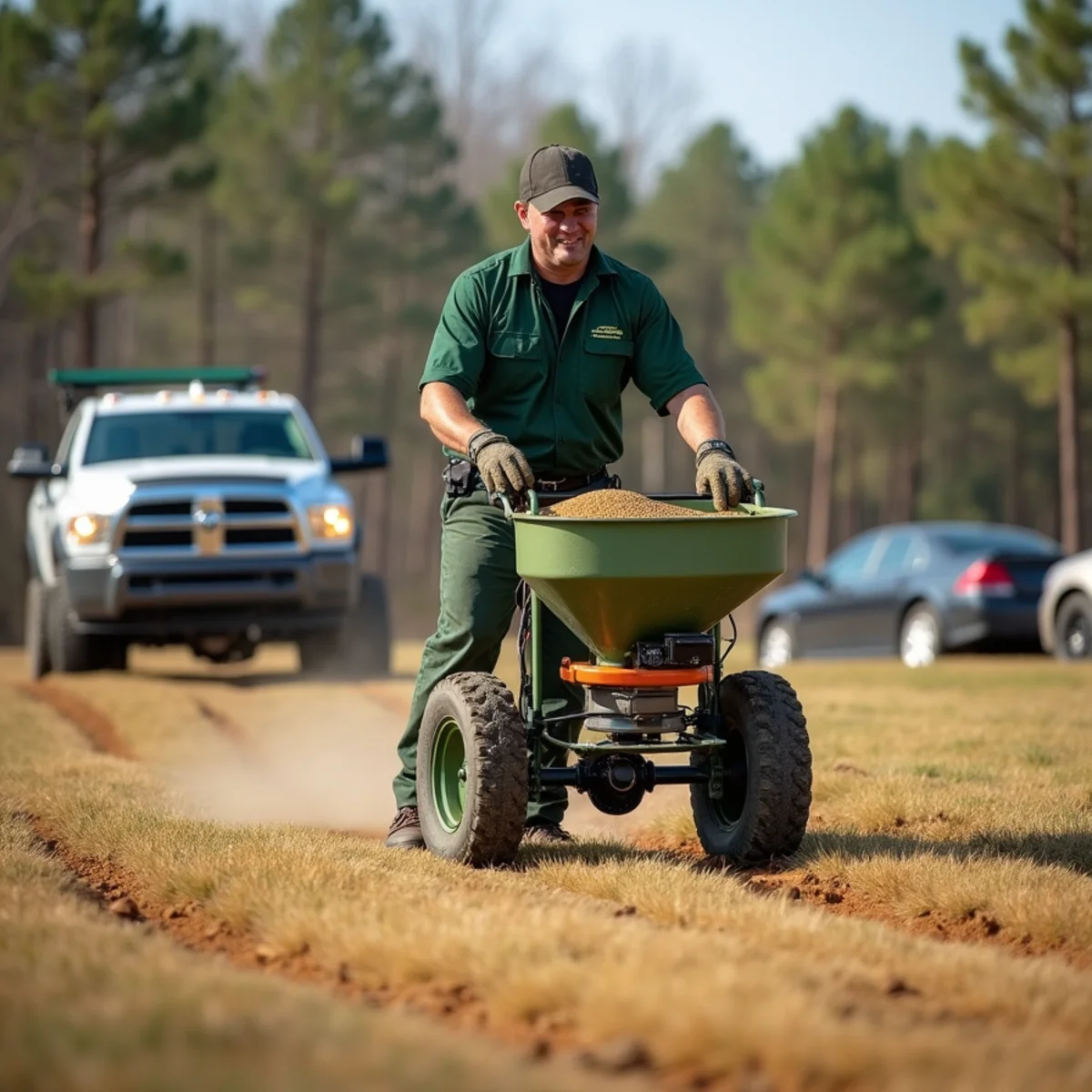
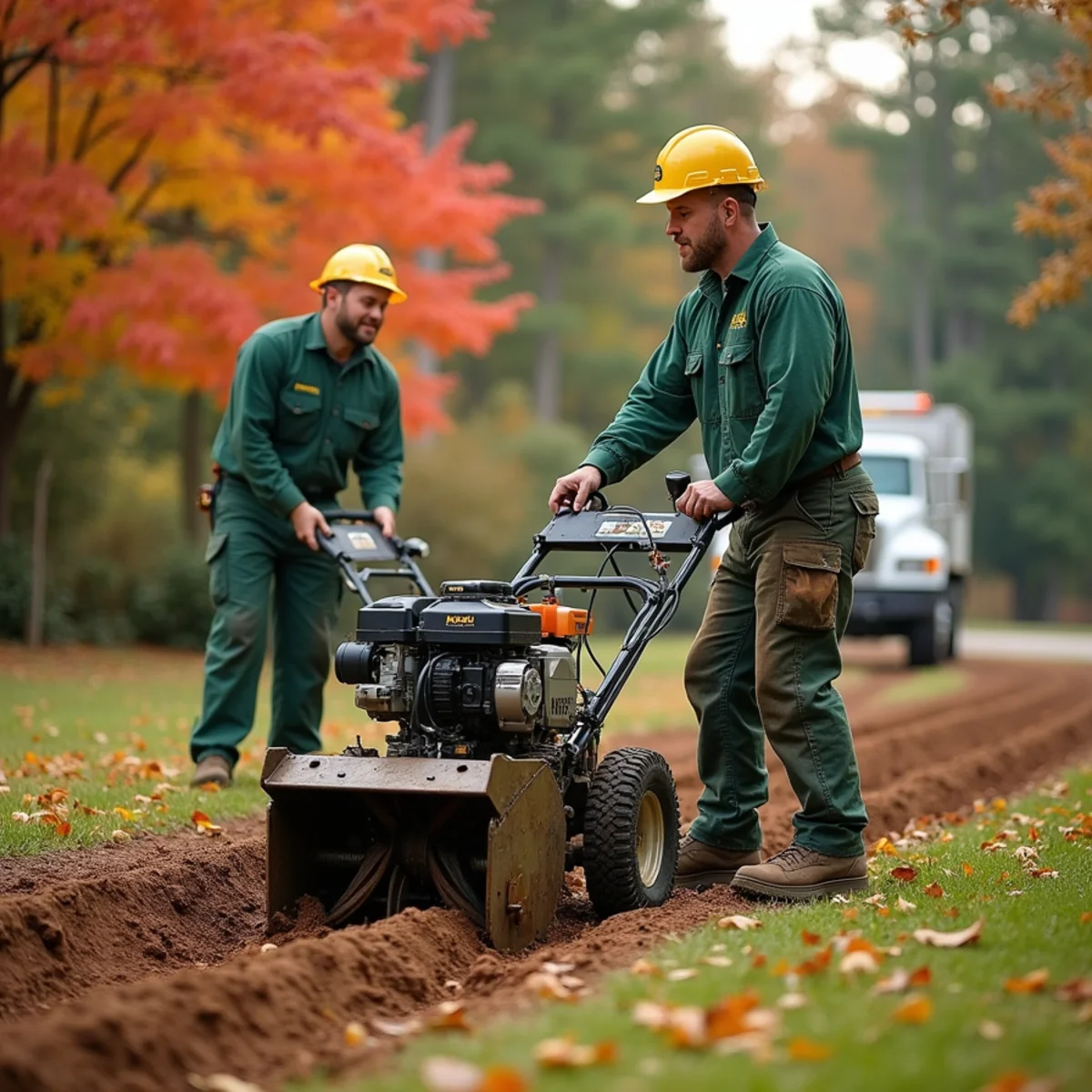
Fall is the most underrated season in the Elmore County lawn year. Spring gets all the attention because that is when the yard visibly comes to life, but what you do in the fall quietly determines how strong that spring green-up will be. The lawn is finishing its growing season and storing energy for winter, and a few well-timed fall tasks pay off for months to come.
This checklist covers the fall essentials for River Region properties: dethatching, the overseeding question, the all-important pre-emergent window, soil testing, and the gutter and drainage care that protects your home and lawn through the wet, stormy months. Done together, they close out the year right and set up the next one.
Dethatching: Clearing the Barrier
Thatch is the layer of dead stems, roots, and debris that builds up between the green grass and the soil. A thin layer is normal and even helpful, but when it gets too thick it acts like a barrier, blocking water, air, and nutrients from reaching the soil and harboring pests and disease. Vigorous growers like bermuda and zoysia are especially prone to heavy thatch.
Dethatching, mechanically pulling that layer out, restores the connection between grass and soil. Fall can be a suitable time to address thatch on warm-season lawns as growth slows, and it pairs well with aeration to give the lawn a genuine reset before winter. If your lawn feels spongy underfoot or water beads and runs off rather than soaking in, thatch is a likely culprit.
The Overseeding Question
Overseeding in fall is common, but for warm-season lawns it deserves a thoughtful answer rather than an automatic yes. Some homeowners overseed a dormant bermuda lawn with ryegrass to keep a green lawn through winter, which is a legitimate choice if you want winter color and are prepared to manage the transition in spring.
For thin or bare warm-season turf, though, the better long-term fix is often addressing why it is thin, compaction, drainage, shade, or the wrong grass, rather than overseeding over the problem. Where a lawn genuinely needs to be re-established, our sod installation and turf renovation service is usually the more durable answer than seed on our clay. We will give you an honest read on whether overseeding serves your specific goals.
The Critical Fall Pre-Emergent Window
If you take away one thing from fall lawn care, make it this: the fall pre-emergent window is how you prevent winter weeds. Cool-season weeds like annual bluegrass, henbit, and chickweed germinate as the soil cools, and the only way to stop them is a pre-emergent applied before they sprout, generally in the mid-September to early-October range in Central Alabama.
Miss this window and those weeds establish in your dormant lawn and green up all winter, then set seed to trouble you next year. Hit it and your spring lawn comes out clean. We cover the full timing and the centipede cautions in our dedicated guide to winter pre-emergent, but the headline is simple: fall is when winter weeds are beaten.
- Apply fall pre-emergent before winter weeds germinate, roughly mid-September to early October.
- Water it in so it activates in the soil.
- On centipede, use only products labeled safe for it and follow rates exactly.
- Pair it with a healthy, thick lawn that crowds weeds out on its own.
Soil Testing and Fall Feeding
Fall is an ideal time to pull a soil test. With the growing season winding down, you can check pH, nutrient levels, and signs of compaction or thin turf, then correct them before spring. A soil test is inexpensive and takes the guesswork out of feeding and liming. Any appropriate fall feeding should match your grass and your test results, helping the lawn store energy for winter without pushing tender growth into a frost.
Gutter and Drainage Care Before the Wet Season
Fall care is not only about the lawn. As leaves drop and the region's wet, stormy stretch approaches, clogged gutters and blocked drains become a real threat to both your home and your landscape. A gutter jammed with pine needles and leaves overflows, dumping concentrated water at the foundation and eroding beds below.
Clearing gutters and downspouts, and making sure drainage outlets are open, is essential fall maintenance in Elmore County, where tall pines shed heavily. This is also the moment to confirm that any french drains and catch basins are flowing freely before the heavy rains test them, and to catch small drainage problems before they become winter erosion.
Clean Up and Protect
Finally, keep up with falling leaves and debris. Leaves left to mat over the lawn through winter smother the grass and invite disease, so regular removal through the fall protects the turf underneath. Cutting back spent perennials, refreshing thin mulch, and a general tidy-up leave the landscape healthy and set for spring. All of this falls under our seasonal spring and fall yard cleanups.
Set Up a Great Spring This Fall
The best spring lawns in Elmore County are built the fall before, with dethatching, honest decisions about overseeding, an on-time pre-emergent, a soil test, and diligent gutter and drainage care. It is quiet work with a loud payoff. Truvian Lawn Care handles the full fall preparation across Wetumpka, Prattville, and the River Region. Call (323) 606-0255 to close out your lawn year the right way.
Related from Truvian Lawn Care