
Why Your Paver Patio Is Settling: Base Preparation Rules for Alabama Saturated Clay
A settling paver patio is rarely the pavers' fault; it is the base beneath them. Here are the base-prep rules that keep patios level on Alabama clay.
Serving the River Region since 2021 • Licensed & Insured

Service
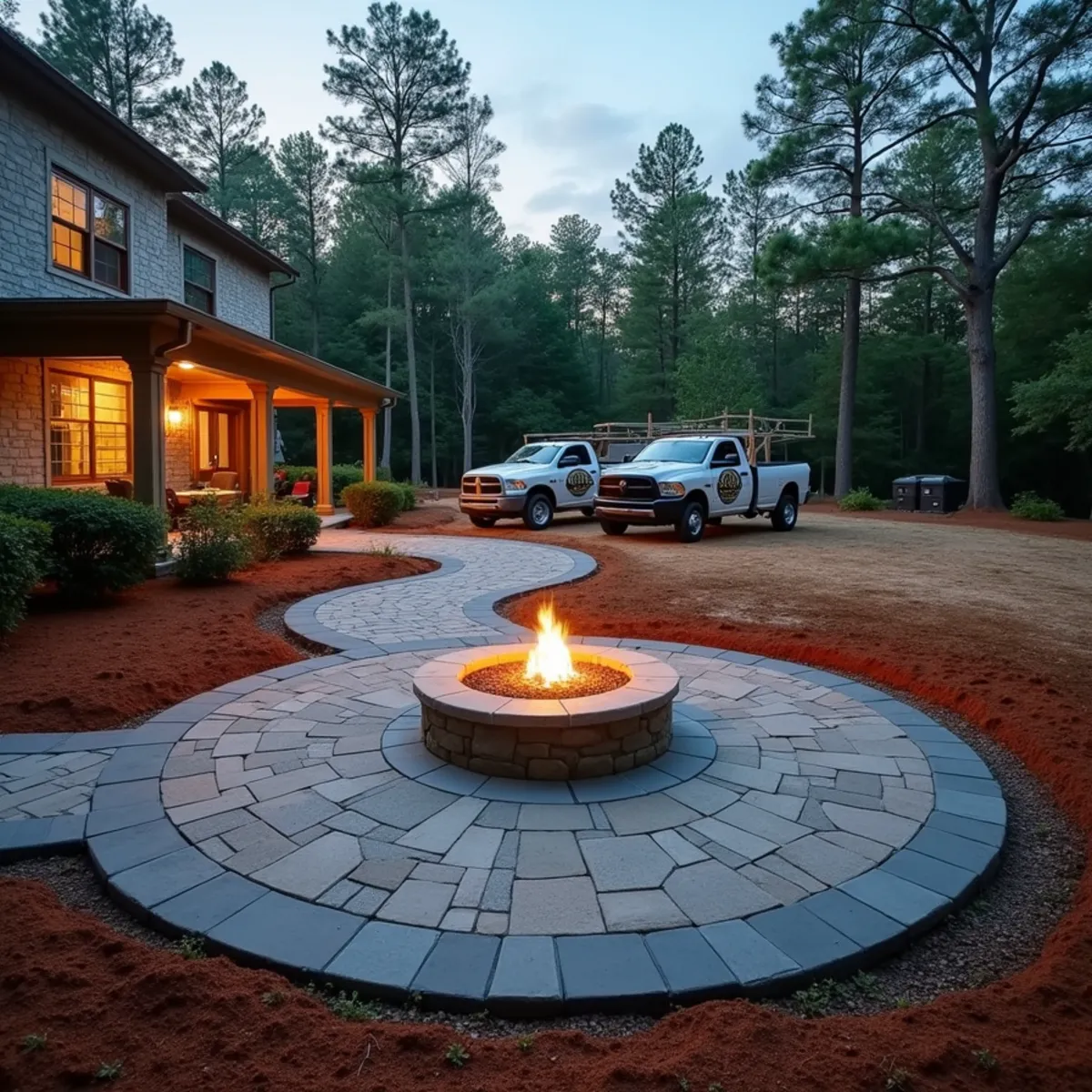
A paver patio is only as good as the ground you never see. Nearly every sunken, wavy patio in the River Region traces back to a base that was too thin or poorly compacted, and once our red clay shifts, the surface follows. Truvian Lawn Care builds from the bottom up: excavate to proper depth, install and compact a crushed-stone base in lifts, and set pavers on a screeded bedding layer so the finished surface stays flat and level for years.
Clay soil is the challenge and the reason to do it right. It holds water, heaves with moisture changes, and punishes shortcuts, so we over-excavate, compact thoroughly, and grade the whole assembly to drain water away from your home rather than trapping it beneath the pavers. Edge restraints lock the field in place, and polymeric joint sand knits the surface together while resisting the weeds and ants that colonize loose joints.
From a compact front walk to a full backyard entertaining patio, the craft is in the pattern, the cuts, and the transitions to steps, walls, and beds. We lay tight, consistent joints, make clean border cuts, and tie the hardscape into the rest of your landscape so it looks intentional. Built this way, a paver surface handles Alabama weather and foot traffic without the settling that plagues rushed installs.
Concrete slabs crack and heave, and poorly built paver patios settle into puddled low spots. Both usually come down to inadequate base prep on clay. A properly excavated and compacted foundation is what keeps a new surface flat and true.
A bare clay backyard turns to mud after our frequent rains, leaving nowhere comfortable to sit or entertain. A paver patio creates clean, level living space that stays usable through the wet spring and summer months.
Loose joint sand washes out and becomes a nursery for weeds and ant colonies. Polymeric jointing and proper edge restraint lock the pavers together, keeping the surface tight, stable, and far lower-maintenance over time.
A patio graded wrong — or a slab that traps water — sends runoff toward your foundation. We pitch every paver installation to carry water away from the home, integrating drainage so the hardscape solves a problem instead of creating one.
We plan the shape, size, paver style, and pattern to fit how you want to use the space and how it ties into the house and yard. Layout also sets the grade, so we design drainage into the plan from the start.
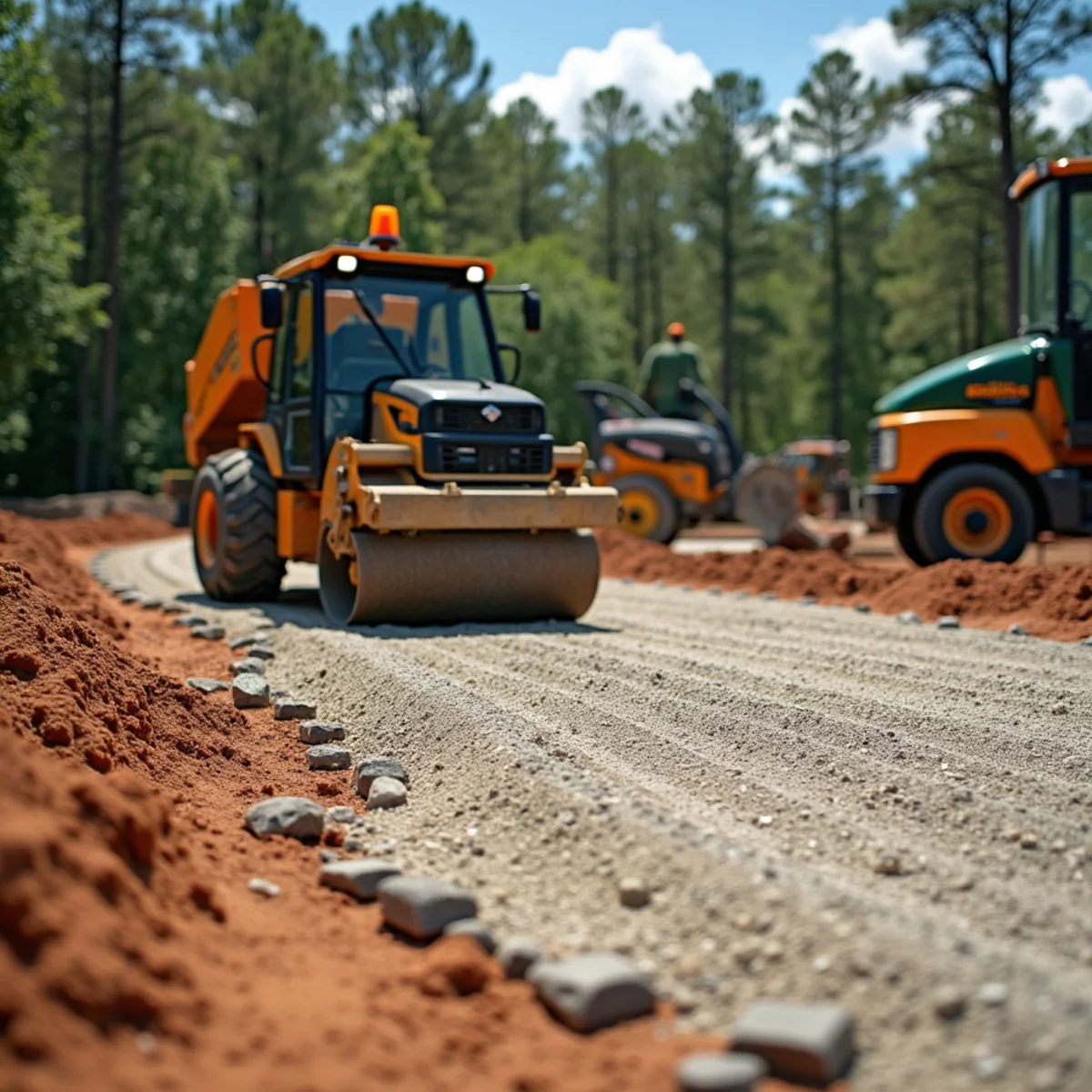
We dig out to a depth that accommodates a full base plus bedding and pavers — deeper than shortcut installs. On clay this over-excavation is essential; skimping here is the number-one cause of patios that later settle.
Crushed aggregate goes in and gets compacted in lifts with a plate compactor, building a dense, stable foundation graded to drain. This hidden base does all the structural work; the pavers just ride on top of it.
We screed a level bedding layer, then set pavers tight in the chosen pattern with consistent joints, making clean border and detail cuts. Edge restraints are installed to lock the field so nothing spreads or migrates.
Polymeric sand is swept into the joints and set, binding the surface against weeds, ants, and washout. A final compaction seats everything, and we clean the site so the patio is ready to use.
Call (323) 606-0255 for a free, no-pressure estimate — or send the form and we’ll follow up fast.
We quote every job in writing after seeing your property — no fixed “package” pricing. These are the factors that shape your estimate:
Based in Deatsville, we serve all of Elmore County and the wider River Region.
Settling almost always comes from a thin or poorly compacted base over shifting clay. We over-excavate, install a proper depth of crushed stone, and compact it in lifts before any pavers go down. That dense, well-graded foundation is what keeps the surface flat for the long haul.
For most Central Alabama yards, yes. Concrete cracks as clay heaves, and repairs are ugly. Pavers flex slightly with ground movement, individual units can be lifted and reset if needed, and the jointed system drains better. Built on a real base, a paver surface outlasts a slab in our climate.
Always. We build a slight, deliberate pitch into the base and surface so water sheds away from your foundation, and we integrate drainage where the site needs it. A patio that traps or redirects water toward the home creates far bigger problems than it solves.
It depends on size and features, but most residential patios and walkways are completed in a few days to a couple of weeks once we begin, weather permitting. Base prep is the time-intensive part and the part we refuse to rush. Call (323) 606-0255 for a timeline on your project.
A ground-level paver patio usually does not require a permit in Elmore County, but covered structures, walls over a certain height, or anything near a setback or easement can. HOAs may have their own approval process. We flag any permitting or HOA review during your estimate so the project is done right and to code. Call (323) 606-0255.
They are low-maintenance, not no-maintenance. Sweeping and an occasional rinse keep them sharp, and polymeric joint sand resists weeds and ants. Sealing is optional but helps color and stain resistance in our humid climate. Every few years the joints may want a sand top-up, a quick job compared with patching cracked concrete.
Fire pits, patios, and outdoor living spaces built to last.
Learn moreBlock walls engineered to hold clay slopes and stop erosion.
Learn morePermanent drainage that dries out soggy red-clay yards for good.
Learn more
A settling paver patio is rarely the pavers' fault; it is the base beneath them. Here are the base-prep rules that keep patios level on Alabama clay.

Retaining wall and paver patio prices swing widely based on real factors. Here is what actually drives the cost in Central Alabama, explained honestly.
Local & On Call
Our crews roll out of Deatsville (ZIP 36022) across Elmore and Autauga counties every day. That local base means faster arrivals, real accountability, and a team that understands River Region soil, slopes and storms.