
Longleaf Pine Straw vs. Hardwood Mulch: What Protects Alabama Soil Beds Better?
Pine straw and hardwood mulch both protect beds, but they behave very differently on Alabama slopes and soils. Here is how to choose the right one.
Serving the River Region since 2021 • Licensed & Insured

Service
Mulch is the cheapest insurance a Central Alabama landscape can buy. In our climate, a proper layer moderates soil temperature through brutal July afternoons, holds moisture between the downpours, and blocks the weed seeds that never stop germinating in our long growing season. Truvian Lawn Care installs both hardwood mulch and pine straw, and we help you pick based on your plants, your slope, and the look you are after rather than just what is on sale.
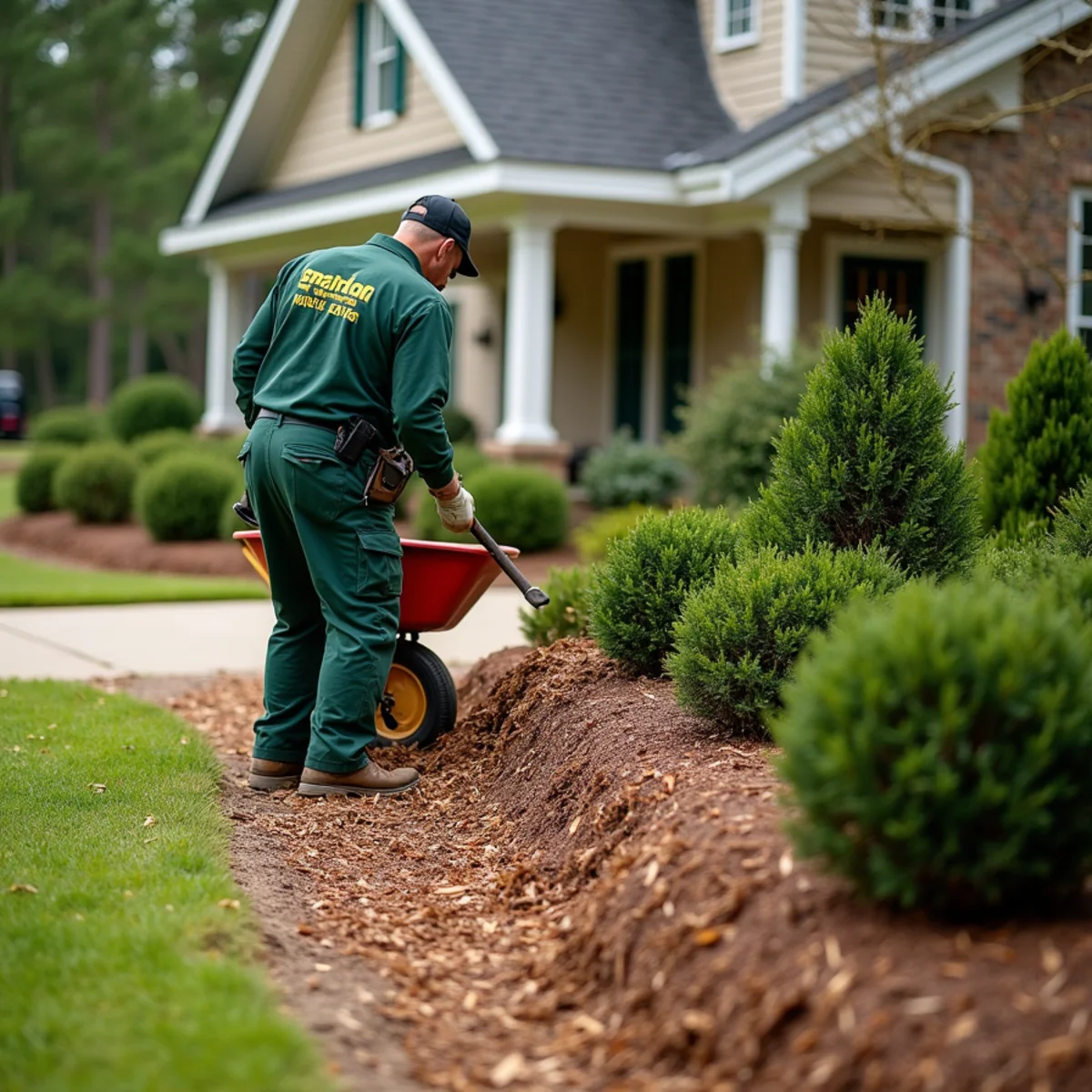
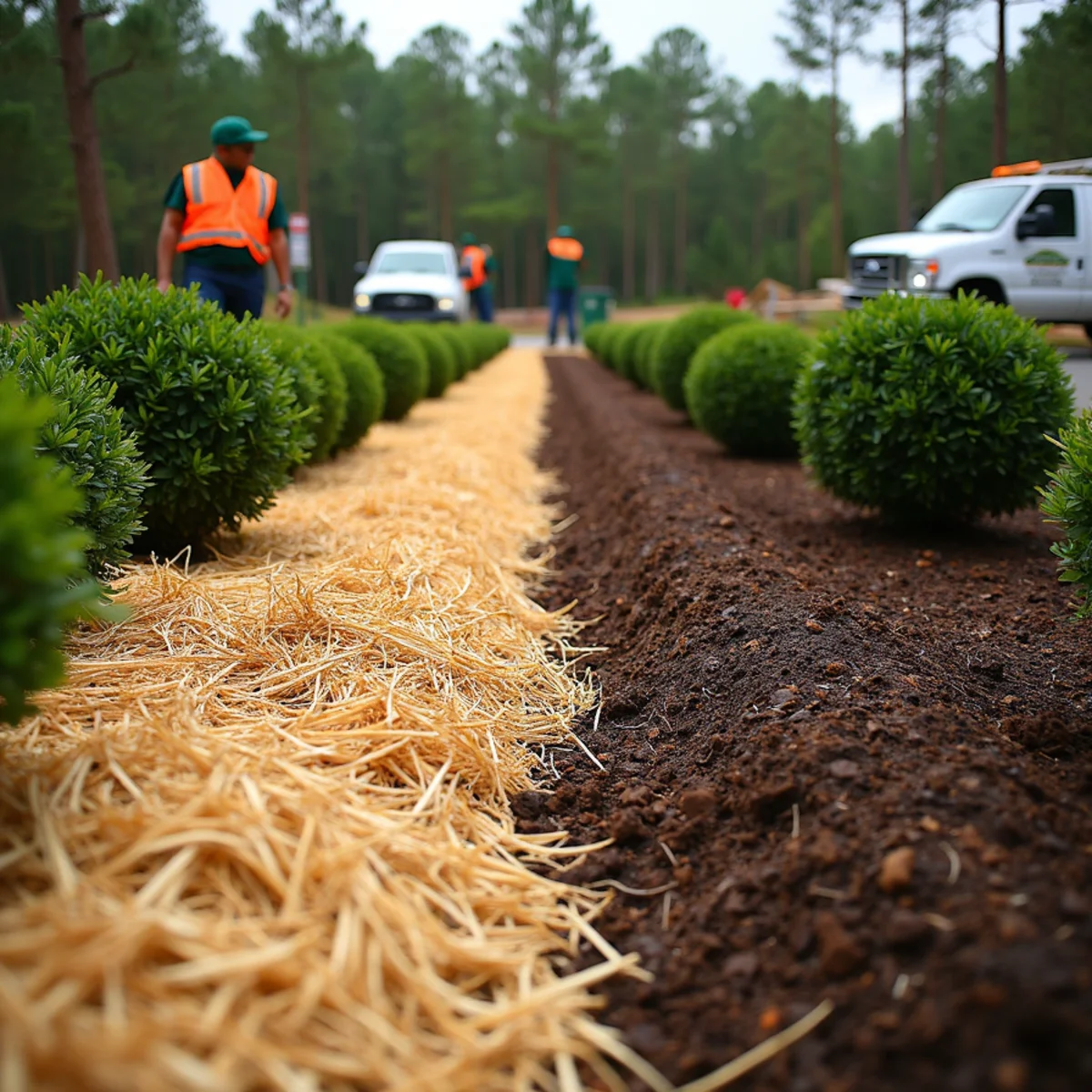
Pine straw is the regional workhorse for good reason. It knits together into a mat that stays put on the slopes and pine-shaded beds so common around Deatsville, it is gentle on acid-loving plants like azaleas and camellias, and it refreshes cleanly. Hardwood mulch breaks down into richer soil, gives a darker, more formal edge to foundation beds, and holds moisture a bit longer in flat, sunny areas. Each has its place, and we match the material to the bed.
The finish is in the prep. We pull existing weeds, cut a clean spade edge to define the bed and hold the material, and lay the right depth — enough to suppress weeds and hold moisture, but not so much that we pile it against trunks and rot them. Beds go in crisp, and the whole property reads as cared-for the moment the work is done.
Our long, wet growing season lets weed seeds germinate nearly year-round. Thin or broken-down mulch lets light through and they take off. A fresh layer at the right depth blocks that light and dramatically cuts the weeding you have to do.
Bare soil bakes and cracks in Alabama summer heat, and plants stress between rains. A proper mulch layer insulates the root zone and slows evaporation, so shrubs and perennials hold up through the hottest stretch of the year.
Old mulch grays out and beds lose their edges, making even a well-planted yard look neglected. A refresh with clean edging instantly sharpens curb appeal — it is the fastest, most cost-effective way to lift a property's whole appearance.
On the grades and pine-shaded banks around Deatsville, loose hardwood mulch floats away in heavy rain. Pine straw knits into a mat that stays put, and correct edging keeps material in the bed where it belongs.
We assess your plants, sun, and slope, then recommend pine straw or hardwood mulch — or a mix. Acid-loving plants and sloped, shaded beds often favor pine straw, while flat foundation beds may look best in dark hardwood.
Existing weeds are pulled and beds are cleared of leaves and debris before anything new goes down. Skipping this step just buries live weeds that push right back through, so we clean first, every time.
We cut a clean spade edge along every bed line to define the shape and create a shoulder that holds the mulch in place. This defined edge is what separates a professional install from a pile of mulch dumped on the ground.
Material is spread to a depth that suppresses weeds and retains moisture, and we deliberately keep it pulled back from trunks and stems to prevent rot and pests. Even coverage and the right depth are what make mulch actually work.
Walks, drives, and lawn edges are blown clean, and we tidy the transitions so the beds frame the property. You are left with a landscape that looks finished, not a work site.
Call (323) 606-0255 for a free, no-pressure estimate — or send the form and we’ll follow up fast.
We quote every job in writing after seeing your property — no fixed “package” pricing. These are the factors that shape your estimate:
Based in Deatsville, we serve all of Elmore County and the wider River Region.
Both work; it depends on the bed. Pine straw knits together and stays put on the slopes and shaded beds common around Deatsville, and it suits acid-loving azaleas and camellias. Hardwood mulch breaks down into richer soil and gives a darker, formal look in flat beds. We match it to your site.
Pine straw is typically refreshed once or twice a year as it settles and fades, while hardwood mulch usually holds a full season or a bit longer before it grays out and thins. Our humid climate breaks material down faster than drier regions, so annual attention keeps beds performing.
Significantly, when it is installed right. A proper depth blocks the sunlight weed seeds need to germinate, which is a real advantage in our long Alabama growing season. It will not stop every weed, but it turns a constant battle into occasional easy pulling.
Piling mulch against trunks — the so-called mulch volcano — traps moisture against the bark and invites rot, insects, and disease in our humid summers. We always pull material back from stems and trunks so the plant stays healthy, which is a detail many crews skip.
Spring is the big one, going down after the winter cleanup and before summer heat so beds hold moisture and weeds stay suppressed through the growing season. Many Deatsville yards get a lighter fall refresh too, especially pine straw. We can time it with a seasonal cleanup so the beds reset with the whole yard. Call (323) 606-0255 to schedule.
Two to three inches does the job, deep enough to block weed-seed light and hold moisture without smothering roots. If the existing layer has broken down, we often top-dress right over it, but when old mulch is matted or piled against trunks we pull it back first so we are not building an unhealthy mound.
Spring and fall resets that set your yard up for the season.
Learn moreSharp, healthy lawns cut to the right height for your grass.
Learn moreFire pits, patios, and outdoor living spaces built to last.
Learn more
Pine straw and hardwood mulch both protect beds, but they behave very differently on Alabama slopes and soils. Here is how to choose the right one.

Spring sets the tone for your whole lawn year. This Central Alabama checklist walks through scalping, aeration, beds, and pine straw in the right order.
Local & On Call
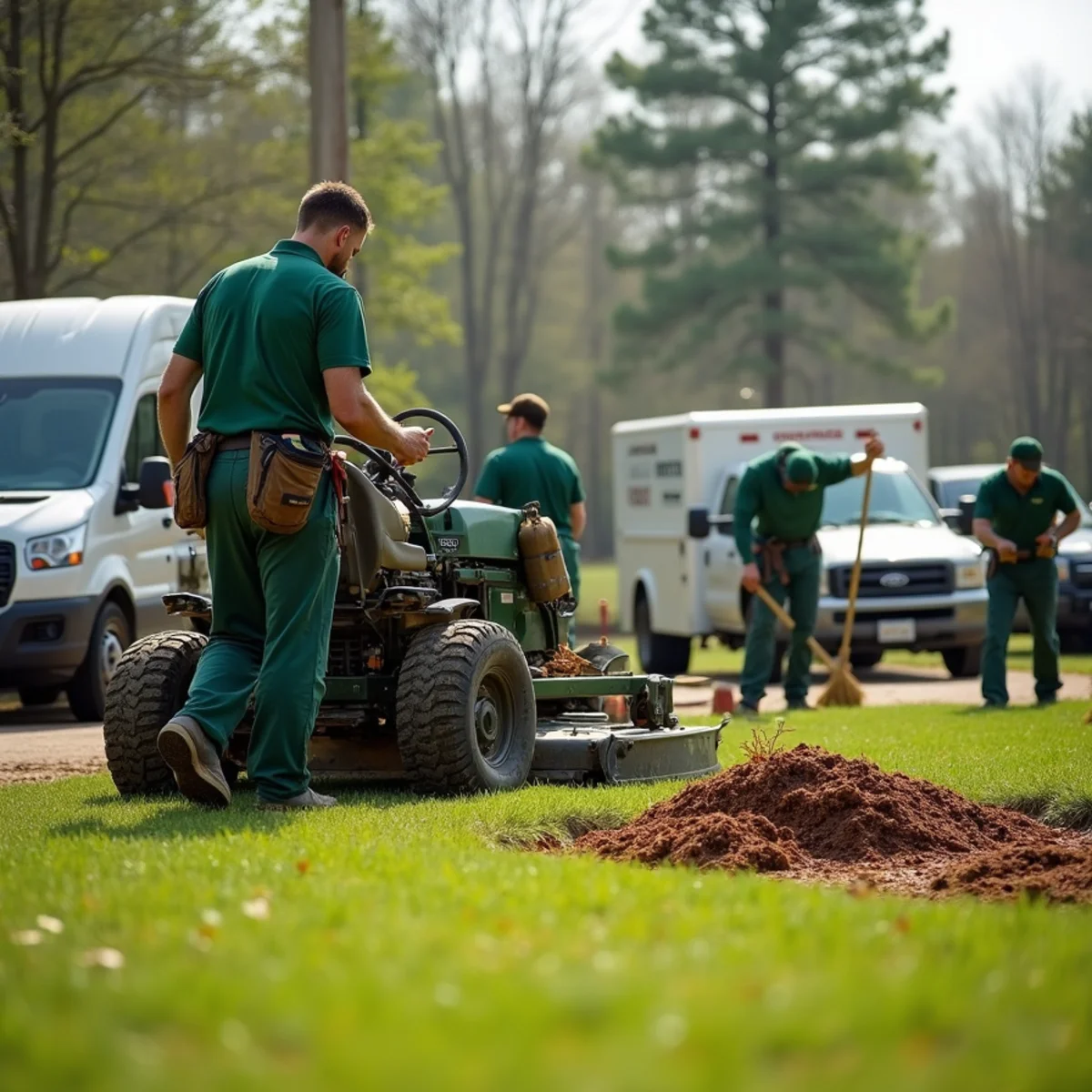
Our crews roll out of Deatsville (ZIP 36022) across Elmore and Autauga counties every day. That local base means faster arrivals, real accountability, and a team that understands River Region soil, slopes and storms.