
What to Do Immediately When a Central Alabama Storm Downs a Pine Tree
A loblolly pine on your roof or driveway is an emergency, not a weekend project. Here is exactly what to do in the first hour, and what to leave to a crew.
Serving the River Region since 2021 • Licensed & Insured

24/7 Emergency Service
Central Alabama is loblolly pine country, and those tall, shallow-rooted trees are the first to go over when saturated soil meets high wind. A pine on the house, across the driveway, or leaning over the roof is an emergency, and it is not a chainsaw-and-a-neighbor job. Truvian Lawn Care provides 24/7 emergency tree removal from our Deatsville base, with the equipment and know-how to take down fallen and hazardous trees without making the damage worse.
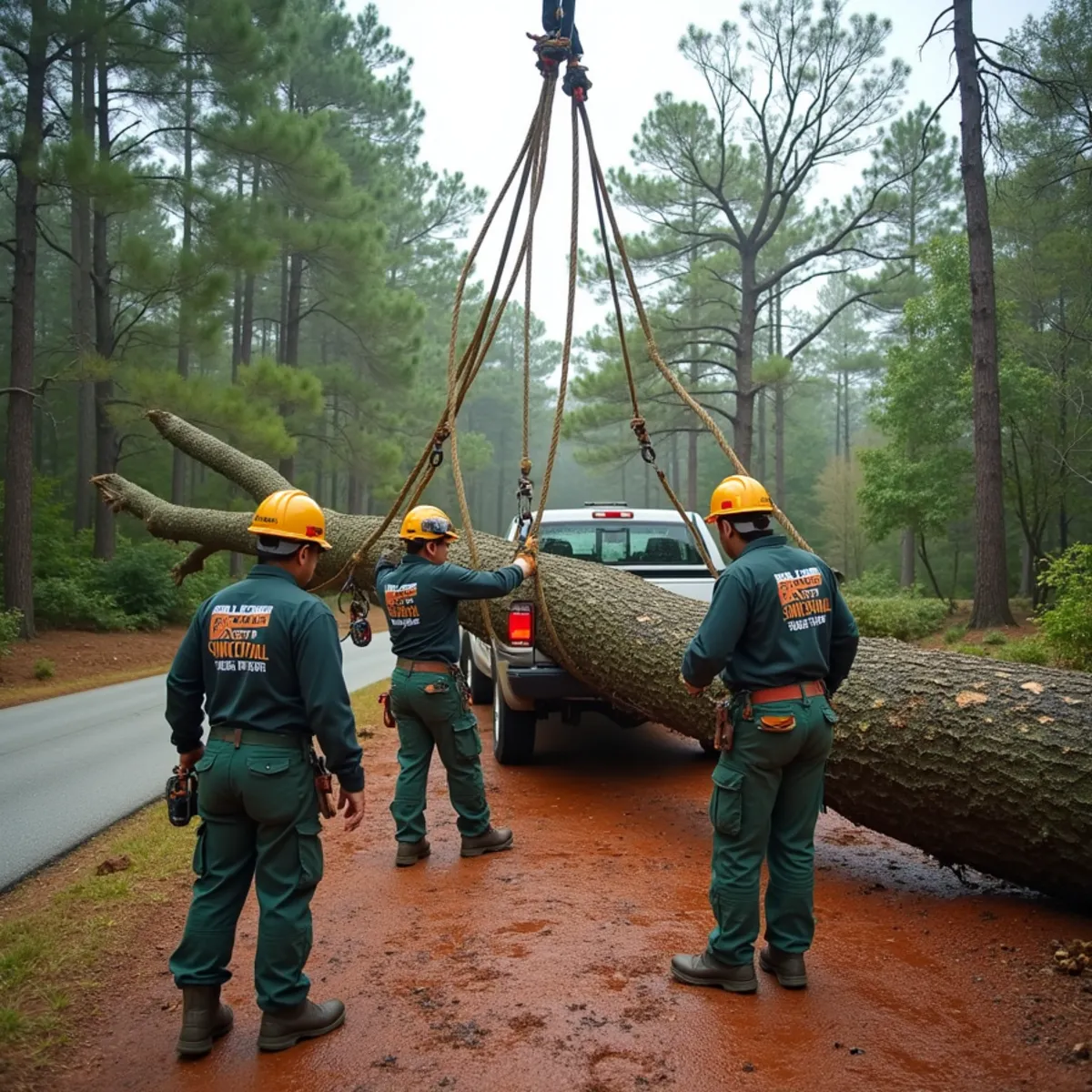
A fallen tree is a loaded structure. Trunks and limbs pinned under their own weight are full of stored tension, and cutting them in the wrong order can send wood snapping or the whole mass rolling. We read the load before we cut, relieve tension in a controlled sequence, and use proper rigging to lower heavy sections rather than letting them drop onto whatever is below. When a tree is on a structure or vehicle, that discipline is the difference between removal and disaster.
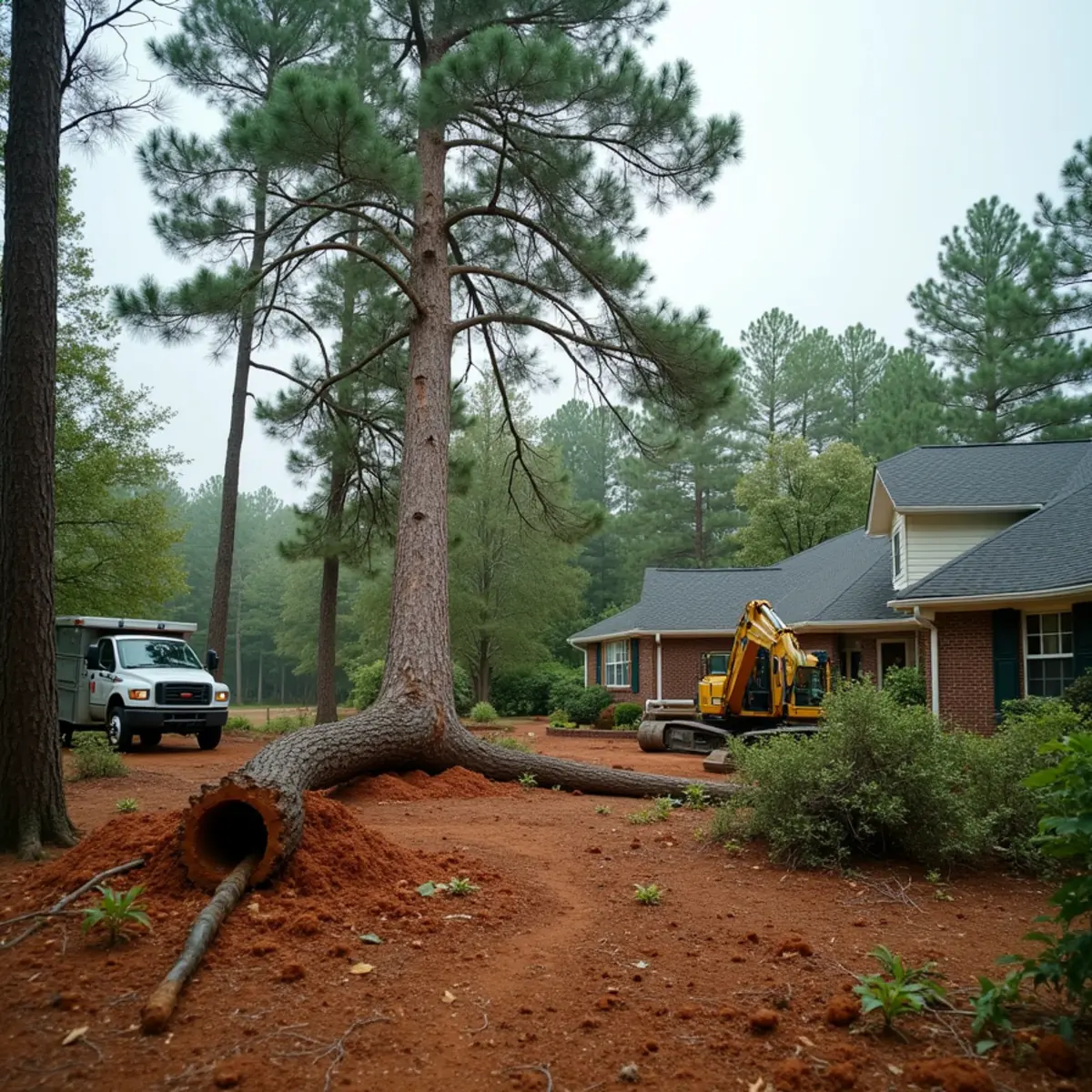
We handle the range of storm situations our region throws at us — pines uprooted from wet clay, trees split at the crotch, limbs hung dangerously overhead, and trunks resting on rooflines. We also document conditions for your insurance and coordinate with the broader cleanup so your property does not sit half-finished. If a tree has come down or is threatening to, call and we will respond.
A pine across the roof or a car is both a safety threat and a race against further damage from weather and shifting weight. This demands controlled rigging and experience — the wrong cut can drop the trunk and turn a bad situation into a catastrophe.
Loblolly pines in saturated clay uproot and lean after storms, and a partially fallen tree can come down without warning. If a tree is tilting, showing lifted roots, or hung up in another, treat it as an active hazard and keep clear until it is removed.
Storms leave broken limbs lodged in the canopy — widow-makers that can fall at any moment onto people, pets, or property below. These need to be brought down deliberately with the right equipment, not knocked at from the ground.
A large trunk across the driveway or path traps vehicles and blocks help from reaching your home. Fast, safe sectioning and removal reopens access so the rest of your storm recovery can move forward.
We answer around the clock and roll from Deatsville. On site, we assess the tree's load, lean, tension points, and what it is resting on before any cutting — the plan is set by how the tree actually failed, not guesswork.
We establish a safe work zone, keep people and pets clear, and identify anything near utility lines that must stay with the power company. Controlling the scene protects everyone before the saws start.
Loaded limbs and trunks are cut in a sequence that releases stored tension safely, and heavy sections are rigged and lowered rather than dropped. On trees resting on structures, this controlled removal is what prevents additional damage.
The tree is cut into manageable sections and cleared from the structure, drive, or yard. We work methodically so weight comes off in a predictable order and nothing shifts onto what is below.
We photograph the tree and damage for your insurance claim, then clear the debris and tidy the work area. We can coordinate stump handling and broader storm cleanup so the property is left safe and orderly.
Call (323) 606-0255 for a free, no-pressure estimate — or send the form and we’ll follow up fast.
We quote every job in writing after seeing your property — no fixed “package” pricing. These are the factors that shape your estimate:
Based in Deatsville, we serve all of Elmore County and the wider River Region.
Get everyone away from that part of the house and out from under the tree, and do not try to move it yourself, since the load can shift. Call (323) 606-0255 right away. We will assess how it is resting and rig it off in a controlled sequence to limit further damage to the structure.
Loblolly pines grow tall with relatively shallow, spreading roots, and Central Alabama's heavy clay holds water. When soil saturates from our heavy rains and a storm brings wind, those roots lose their grip and the whole tree tips — which is why pines dominate our emergency removal calls.
Often, especially when a tree hits a covered structure, though it depends on your policy. We photograph the tree and damage and document our work so you have the evidence to file. Check your specific coverage with your insurer, and use our documentation to support the claim.
We focus first on getting the hazardous tree down and the property safe. Stump grinding can be handled as a follow-up once the emergency is resolved. Let us know if you want the stump addressed and we will fold it into the plan when we assess the job.
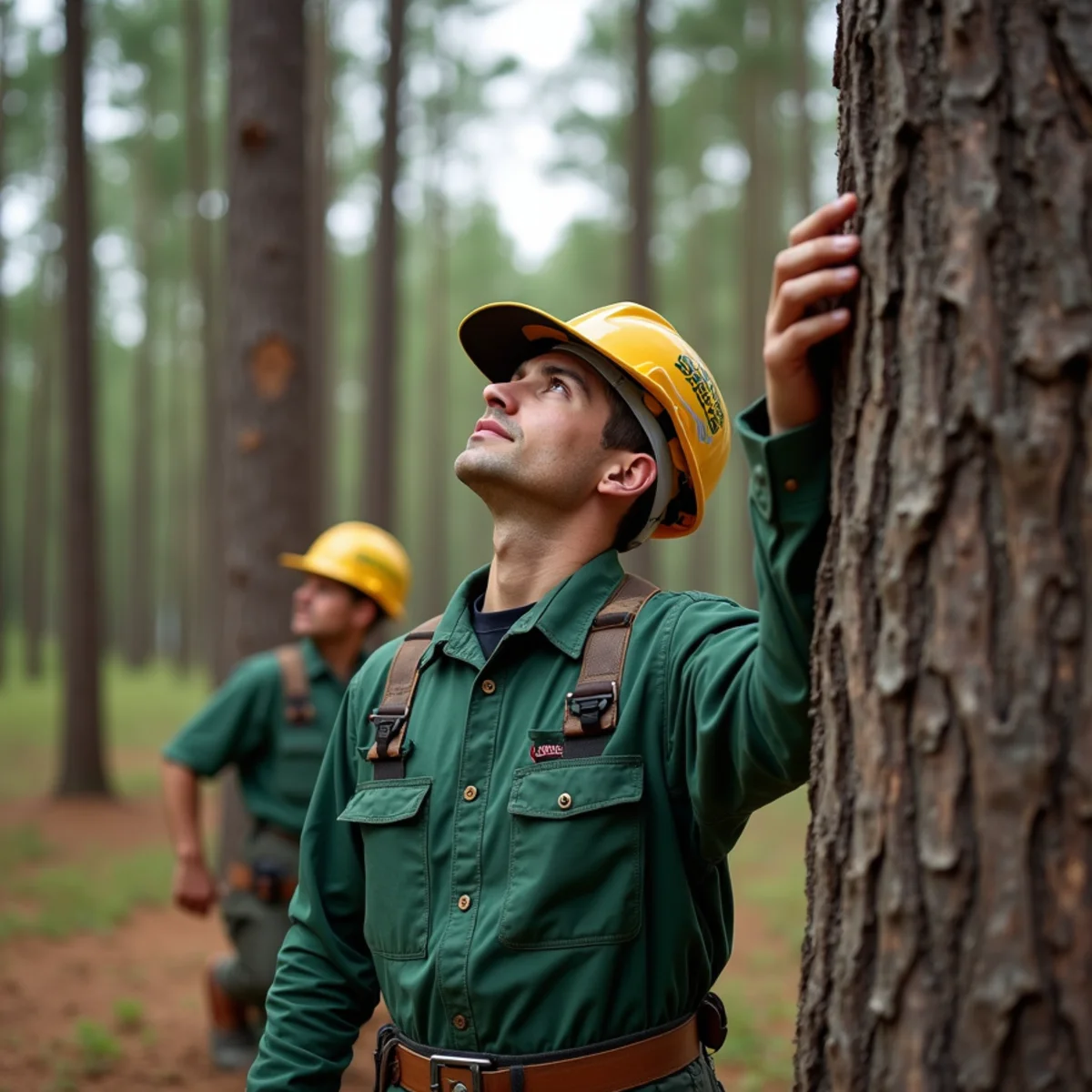
Yes, and it is smart to act early. A loblolly showing lean, lifted roots, or soil cracking on the uphill side is telling you it is losing its grip in the wet clay. Taking it down on our schedule is far safer and cheaper than dealing with it after it drops on the roof. Call (323) 606-0255 for an assessment.
That is up to you. We can haul everything off, cut trunks into firewood lengths and stack them, or leave larger rounds if you want them. Full disposal is the usual choice after an emergency. We sort out the wood, debris, and any stump work when we assess the job so nothing is left cluttering the yard.
24/7 storm response — fast, safe cleanup by a local River Region crew.
Learn moreLimbs, brush, and hazards cleared and hauled — fast.
Learn moreEroded slopes and washed-out drives repaired and stabilized fast.
Learn more
A loblolly pine on your roof or driveway is an emergency, not a weekend project. Here is exactly what to do in the first hour, and what to leave to a crew.

The pine that falls on your house usually showed warning signs first. Here is how to inspect tall loblolly pines for storm vulnerability before spring.
Local & On Call
Our crews roll out of Deatsville (ZIP 36022) across Elmore and Autauga counties every day. That local base means faster arrivals, real accountability, and a team that understands River Region soil, slopes and storms.