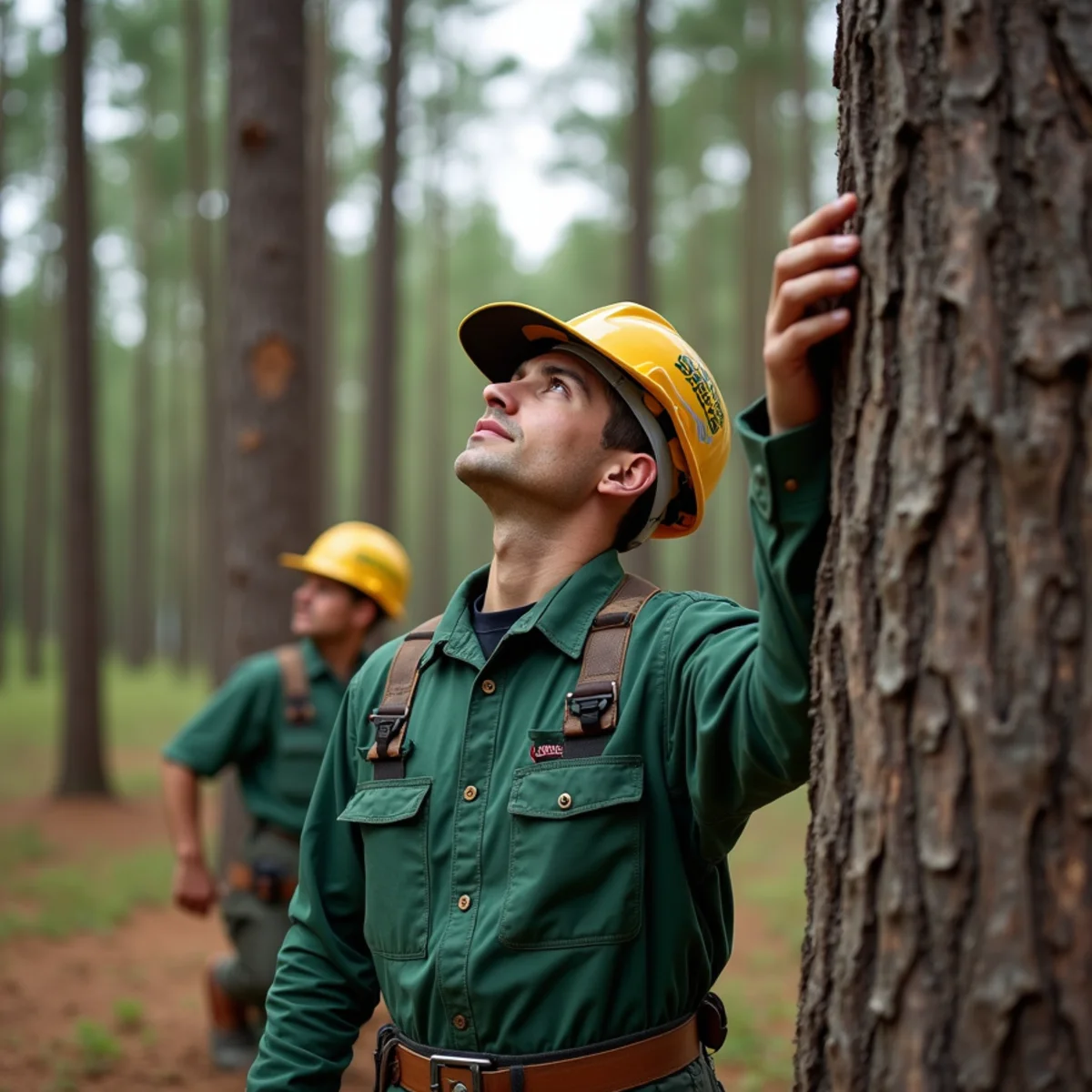
Central Alabama is pine country, and the tall loblolly pines that give Elmore County and Marbury their character are also, in a hard storm, the trees most likely to come down on a house. Here is the part homeowners often do not realize: a pine that falls in a storm has usually been telling you it was in trouble for months or years. The warning signs are readable, if you know what to look for and look before the wind does the deciding for you.
This guide walks you through a homeowner-level inspection of your tall pines, focused on the signs of heart rot, root problems, and structural weakness that make a tree a storm risk. It is not a substitute for a certified arborist's assessment on a truly questionable tree, but it will help you spot the trees that need a professional look before the spring gales arrive.
Why Loblolly Pines Fail in Storms
Loblolly pines grow tall, fast, and often with a high, heavy crown on a relatively shallow root system, especially in our clay soils that discourage deep rooting. That combination, height, weight up top, and shallow anchorage, is exactly what makes them vulnerable when saturated soil and high wind arrive together in a spring storm. Add internal decay from heart rot, and a tree that looks fine can snap or uproot with startling ease.
The good news is that most failures trace to conditions you can often see from the ground. A careful walk-around, done annually before storm season, catches the majority of high-risk trees.
Start at the Roots and Base
The base of the tree tells you about its anchorage, and anchorage is what keeps a pine standing in wind. Walk slowly around the trunk and the ground around it, looking for trouble:
- Mushrooms or conks (shelf-like fungal growths) at the base or on surface roots, a classic sign of root or butt rot.
- Heaving or cracked soil on one side of the trunk, which can mean the root plate is already lifting.
- A trunk that enters the ground like a telephone pole with no visible root flare, sometimes a sign of buried or girdling roots.
- Cavities, soft spots, or exposed, decayed roots.
- A recent, noticeable lean, especially with fresh soil disturbance on the high side.
Fungal conks are the one to take most seriously. They are the fruiting body of decay that is often well advanced inside the wood by the time it shows outside.
Read the Trunk
Move up to the trunk itself. Heart rot, decay in the central wood, is a leading cause of trunk failure, and it leaves clues:
- Vertical cracks or seams running up the trunk.
- Cavities, holes, or hollow-sounding areas when tapped.
- Fungal growth, oozing, or sunken, discolored bark.
- Wounds from old damage, lightning, or improper past cutting that let decay enter.
- Sawdust-like frass or many woodpecker holes, which can indicate insects working in weakened or dead wood.
A hollow or extensively decayed trunk cannot be trusted in a storm, no matter how green the crown still looks. This is often where a professional assessment becomes essential, because the extent of internal decay is hard to judge from outside.
Look Up at the Crown
The canopy reflects the tree's overall health and reveals hazards waiting to drop:
- Large dead branches, especially thick ones high in the crown, which can fall on their own or invite failure.
- A thinning canopy or an unusual amount of dead needles, signaling declining health.
- Dead sections while other parts are green, a sign of internal or root problems.
- Branches hung up or broken from past storms and not yet fallen.
A pine in visible decline, browning out, dropping big limbs, thinning at the top, should be evaluated promptly, because a dying pine only becomes more dangerous with time.
Consider Location and Lean
Two more factors decide how much a weak tree matters: where it would fall and which way it leans. A perfectly healthy tree that leans over your roof deserves more scrutiny than a questionable tree in an open field, simply because of what it threatens. Note any tree tall enough to reach your house, and note the direction of any lean, particularly one that developed recently or points toward a structure.
Trees near power lines add another layer of hazard and are never a do-it-yourself situation, for inspection or removal.
When to Call a Professional
Some findings mean it is time to stop guessing and get expert eyes on the tree: fungal conks at the base, a hollow-sounding or cracked trunk, a new lean, a heaving root plate, or significant crown dieback, especially on any pine that could reach your home. Documenting a professional assessment also supports responsible property maintenance, which matters if a storm claim ever arises, as we discuss in our writing on insurance and storm tree removal.
When a tree is genuinely hazardous, removal is not a job for a homeowner with a chainsaw. Our emergency fallen pine and tree removal team, and our urgent yard debris and hazard removal crews, handle dangerous pines with the rigging and experience to bring them down safely, ideally before they fall on their own.
Inspect Before the Wind Decides
The pine that comes down on a Central Alabama home almost always showed signs first. An annual ground-level inspection before spring, checking the roots, trunk, and crown, catches the dangerous trees while you still have a choice about them. Truvian Lawn Care assesses and safely removes hazardous pines across Elmore County, Marbury, and the River Region. Call (323) 606-0255 to have a worrying tree evaluated before the next storm.
Related from Truvian Lawn Care