A Central Alabama summer is a trial by fire for any lawn. Weeks of high heat and humidity give way to sudden dry spells, and the same clay that floods your yard in spring bakes hard as brick by August. Yet drive around Deatsville or Montgomery in July and you will see lawns that stay green and thick right through it. The difference is rarely luck; it is a handful of summer habits done consistently.
Warm-season grasses like bermuda, zoysia, and centipede are built for our heat, which is good news. The trick is helping them use their natural toughness instead of accidentally working against them. This guide covers watering, mowing, and the small timing choices that carry a River Region lawn through the hardest months.
Water Deeply, Not Often
The most common summer mistake is watering a little every day. Frequent shallow watering keeps moisture at the surface, which trains roots to stay shallow, exactly the opposite of what you want in a drought. Shallow roots dry out the instant the surface does, so the lawn depends on you and wilts the moment you miss a day.
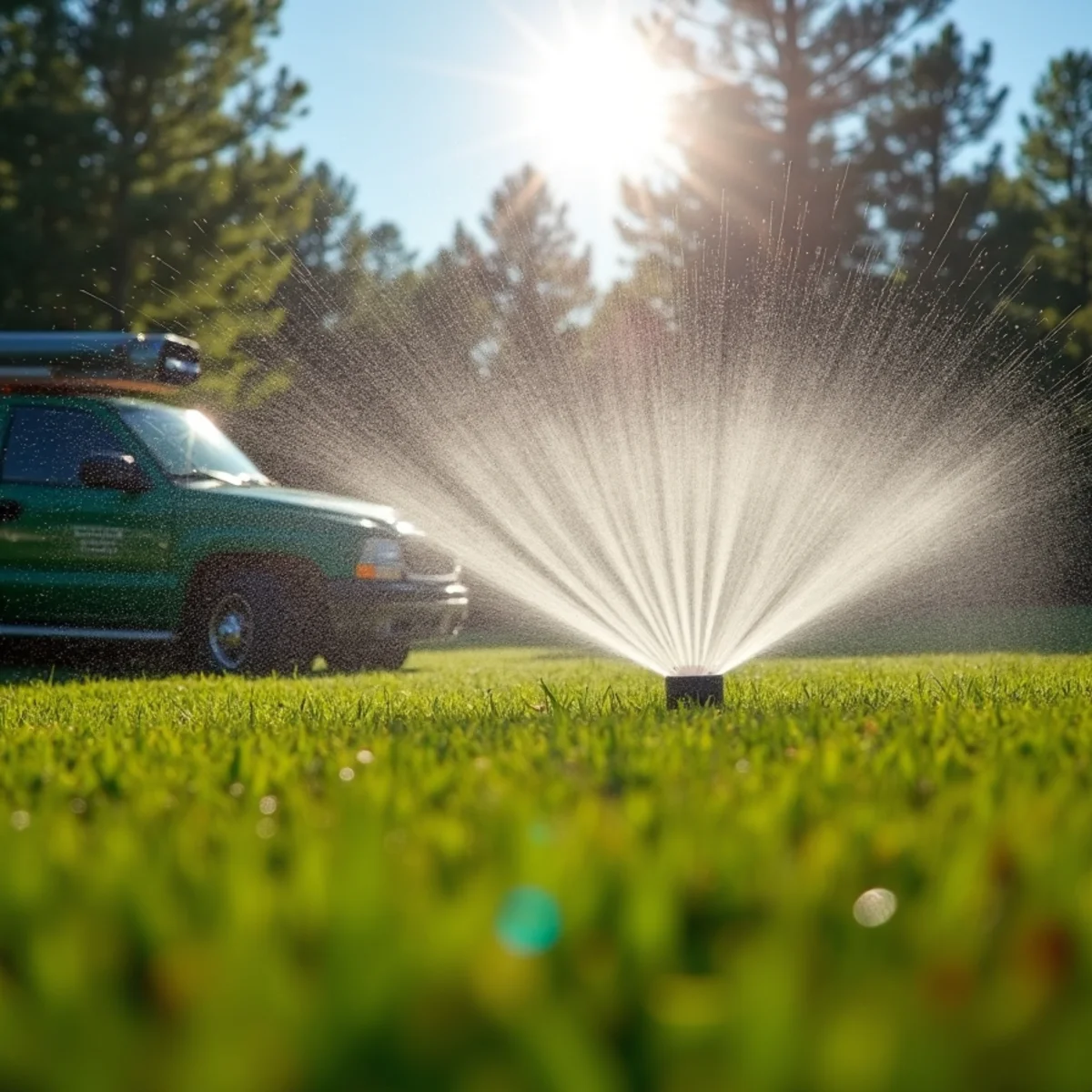
Deep, infrequent watering does the opposite. A thorough soak that reaches several inches down encourages roots to grow deep, where the soil stays moister longer and the grass can ride out dry stretches. As a rule of thumb, aim for about an inch of water per week including rainfall, delivered in one or two deep sessions rather than daily sprinkles.
- Water early in the morning, before the heat, so less evaporates and blades dry by nightfall.
- Avoid evening watering, which leaves grass wet overnight and invites the fungal disease our humidity already encourages.
- Water deeply and less often to drive roots down.
- Watch for signs of thirst, a bluish-gray cast and footprints that stay pressed in, and water before the lawn browns.
Mow High and Keep Blades Sharp
In summer, mowing height is a survival tool. Taller grass shades its own soil, keeping roots cooler and slowing evaporation, and taller blades support deeper roots. Cutting too short in the heat scalps the lawn, exposes the soil to baking sun, and invites weeds into the thinned turf. Raise the mower a notch for the hottest part of the year.
And never break the one-third rule: remove no more than a third of the blade height in a single mow. Cutting more than that shocks the grass precisely when it is already stressed by heat. A sharp blade matters too; a dull blade tears the grass, leaving ragged tips that brown and lose more moisture. These are the details our lawn care and precision mowing service handles automatically, but they matter just as much for a homeowner doing it themselves.
Feed Carefully, and Know Your Grass
Summer fertilizing is a balancing act. Warm-season grasses are actively growing and can use nutrients, but over-fertilizing in extreme heat can burn a stressed lawn, and it is especially risky on centipede, which resents heavy feeding. Light, appropriate feeding suited to your specific grass is the goal, not a heavy dose. If you are unsure, a soil test removes the guesswork.
This is also where grass choice comes home to roost. If your lawn simply cannot take the heat and traffic, the long-term answer may be a better-suited grass, which we cover in our comparison of the region's warm-season turfgrasses. The right grass makes every summer easier.
Manage Traffic and Stress
A heat-stressed, dry lawn is fragile, and traffic across it during the hottest, driest stretch can leave lasting tracks and thin spots. When the lawn is under real drought stress, easing foot and vehicle traffic where you can gives it a better chance. Grass that is well-watered and mowed high recovers from traffic far better than grass that is already struggling.
Watch for Summer Disease and Pests
Alabama's heat plus humidity is a recipe for fungal lawn disease, especially where evening watering or poor drainage keeps the grass damp. Brown patches that spread, especially in a circular pattern, can signal fungus rather than drought. Correcting watering timing, improving airflow, and fixing drainage usually addresses the conditions. Insect damage can mimic drought too, so a patch that will not green up despite water deserves a closer look.
Do Not Panic Over Dormancy
Finally, know the difference between a dead lawn and a dormant one. Some warm-season grasses, particularly bermuda, may go tan and dormant during severe drought as a survival strategy, then green back up when rain returns. A dormant lawn is not dead; forcing it green with heavy watering during an extreme drought is not always necessary. Steady, sensible care usually beats panic.
Keep It Green Through the Hardest Months
A lush Central Alabama lawn in August is the reward for a few consistent summer habits: deep infrequent watering in the morning, mowing high with a sharp blade, feeding lightly and appropriately, and respecting the one-third rule. Truvian Lawn Care keeps lawns healthy through the heat across Deatsville, Montgomery, and the River Region with precision mowing and expert care. Call (323) 606-0255 and let us carry your lawn through summer.
Related from Truvian Lawn Care