After a Central Alabama winter, your warm-season lawn wakes up hungry, matted, and ready to grow, and the things you do in those first weeks of spring shape how the whole year goes. Get the spring routine right and the lawn greens up fast, thick, and even. Skip it or mistime it and you spend the summer chasing problems that a good spring would have prevented.
This is a practical, in-order checklist for the River Region's warm-season lawns, bermuda, zoysia, centipede, and the like, covering the spring awakening from cleanup through scalping, aeration, and fresh pine straw. Timing matters as much as the tasks, so we will flag when each one belongs.
Step One: Clean Up Winter's Debris
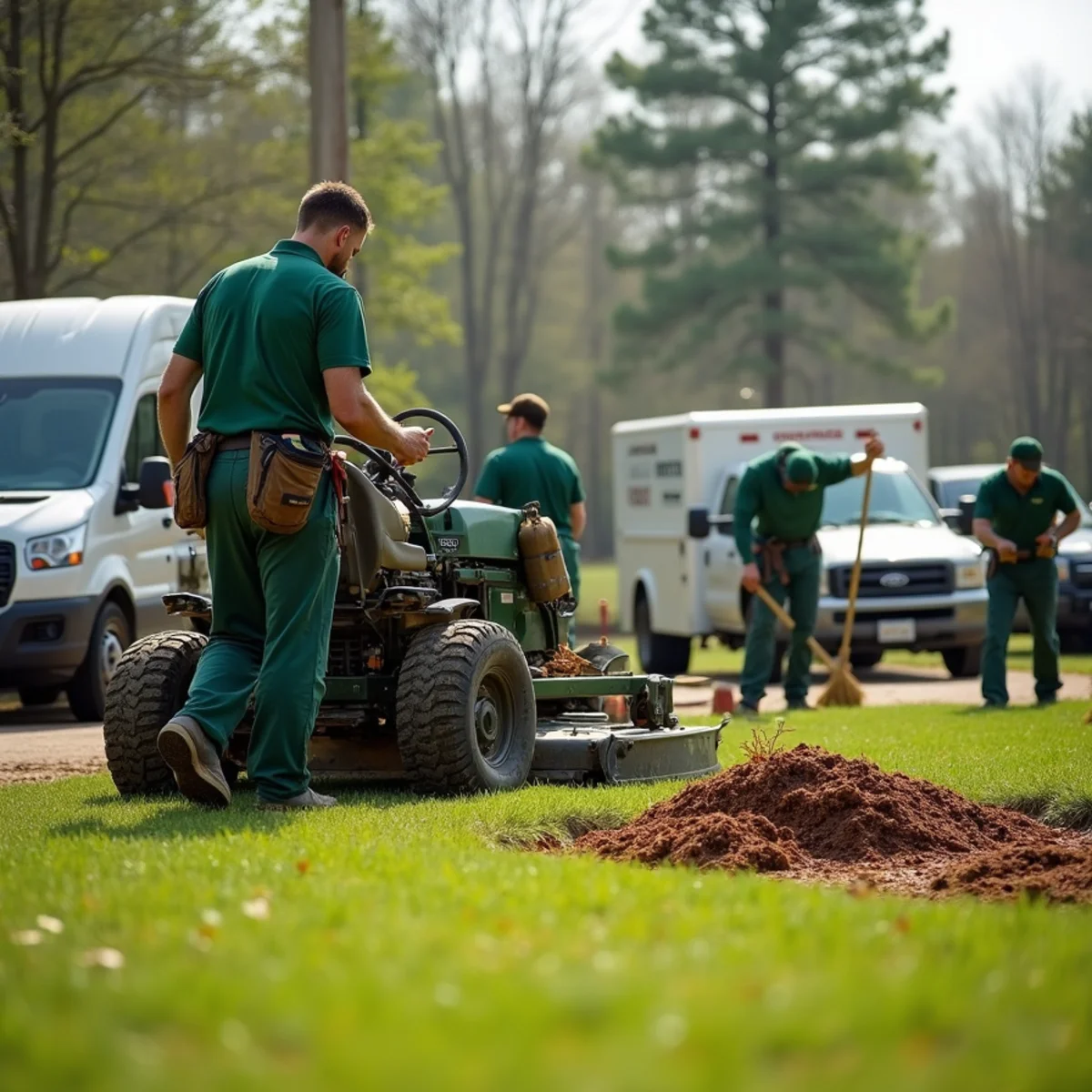
Before anything else, clear the yard of the winter's accumulation: fallen limbs, leaves piled in corners, dead annuals, and any storm debris. Matted leaves left over winter can smother the grass beneath them and harbor disease, so raking them out lets light and air reach the crowns as the lawn wakes up. This is also the moment to spot winter damage, drainage ruts, or dead patches that need attention.
A thorough spring cleanup is the foundation the rest of the checklist builds on, and it is one of the core pieces of our seasonal spring and fall yard cleanups for exactly that reason.
Step Two: Scalping (Timing Is Everything)
Scalping means mowing the dormant, brown grass shorter than usual, and bagging the clippings, to remove the accumulated dead top growth from last year. Done right, it clears the way for sunlight to reach the soil and speeds the green-up, and it removes thatch that would otherwise impede new growth. On bermuda and zoysia especially, a proper scalp jump-starts the season.
The catch is timing. Scalp too early, before the danger of a late frost has passed, and you expose the tender crowns to a cold snap that can set the lawn back badly. The rule of thumb is to wait until the grass is clearly breaking dormancy and the risk of frost is behind us, typically as spring settles in, not at the first warm day. When in doubt, wait a bit; an early warm spell in Alabama is often followed by one more cold night.
- Scalp only after frost danger has genuinely passed and the grass is greening up.
- Mow lower than normal and bag the clippings to remove dead growth.
- Do not scalp centipede as aggressively as bermuda; it recovers more slowly, so a lighter approach is safer.
- Follow the one-third rule on subsequent mows as the lawn resumes growth.
Step Three: Aeration to Relieve Clay Compaction
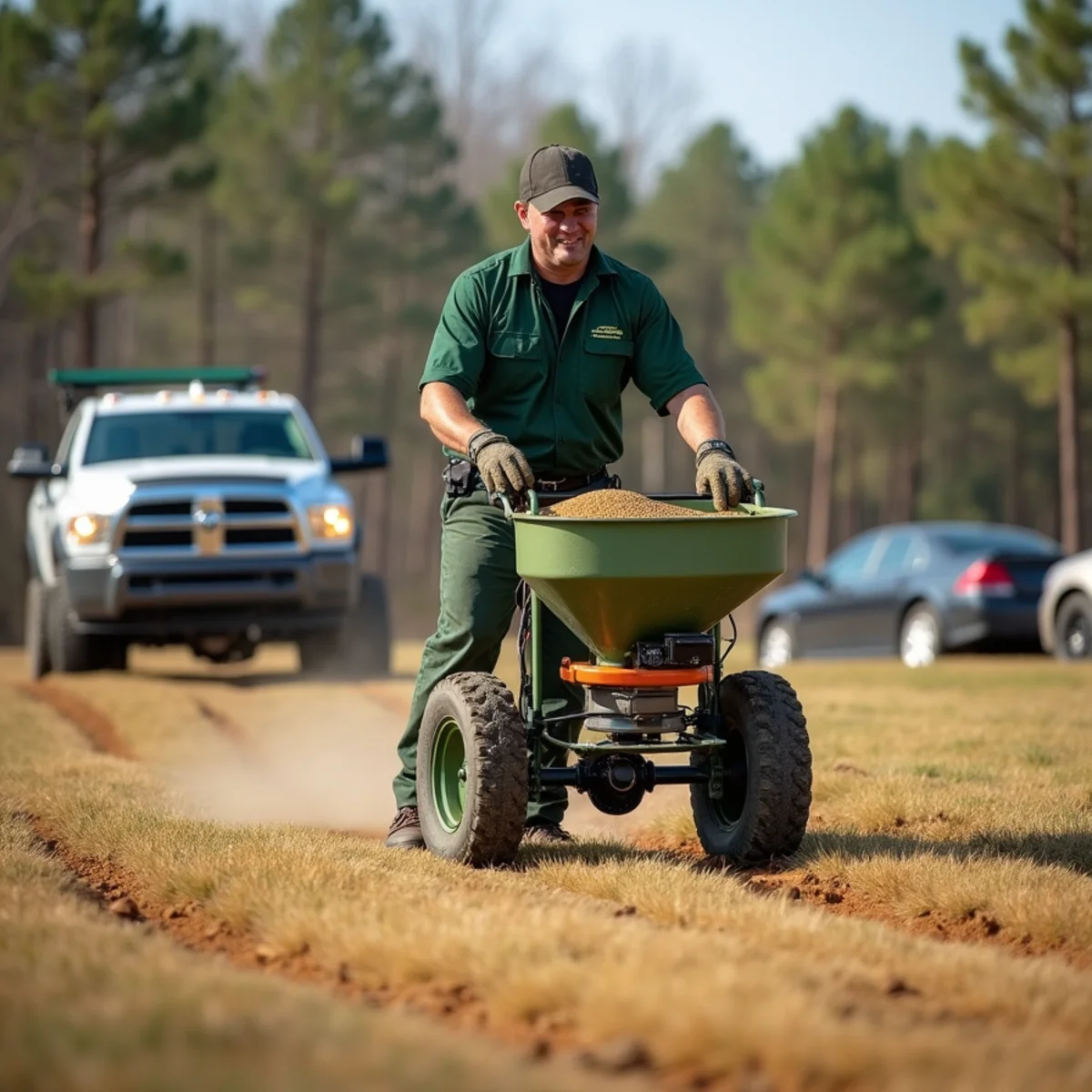
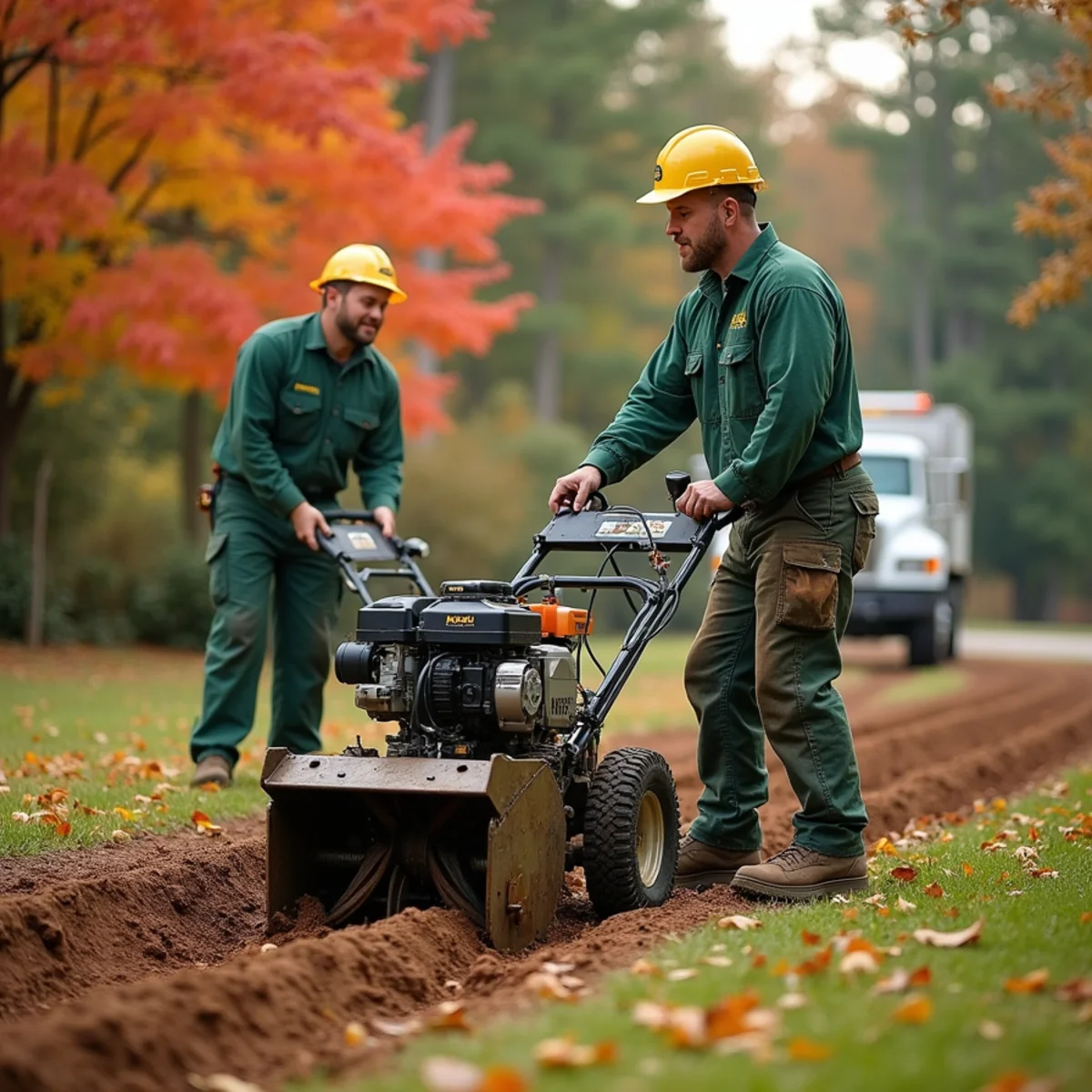
Central Alabama's clay compacts over the year under foot traffic, mowing, and its own nature, and compacted soil chokes roots by squeezing out the air and water they need. Core aeration pulls small plugs of soil from the lawn, opening channels that let air, water, and nutrients reach the root zone. On clay, it is one of the highest-value things you can do.
Spring, as the lawn enters active growth, is a strong time to aerate warm-season turf so it can quickly heal the holes and take advantage of the relieved compaction. Aeration pairs naturally with the feeding and any overseeding or repair you plan, and it complements the drainage work we do on chronically wet lots.
Step Four: Feed and Address Weeds
As the lawn greens up and begins actively growing, it is ready for its first appropriate feeding of the season, matched to the grass type and ideally guided by a soil test. Resist the urge to overfeed; steady, appropriate nutrition beats a heavy dose, especially on centipede. If you applied a late-winter pre-emergent, spring is when it earns its keep by keeping crabgrass and summer weeds down, a topic we cover in our writing on pre-emergent timing.
Step Five: Refresh Beds and Pine Straw
With the lawn handled, turn to the beds. Spring is the time to edge them cleanly, pull early weeds, and refresh the mulch or pine straw that thinned over winter. A fresh layer suppresses weeds through the growing season, holds moisture for the hot months ahead, and instantly sharpens the whole landscape's appearance. Our mulch installation and pine straw service handles this bed by bed, matching material to slope and plantings.
This is also a good moment to prune winter-damaged branches, check that drainage outlets are clear before the spring rains, and plan any new plantings while the season is young.
Step Six: Set the Mowing Routine
As growth accelerates, settle into a consistent mowing routine at the correct height for your grass, with a sharp blade, never removing more than a third of the blade at once. Consistency from spring onward is what keeps a lawn thick and even, and it is the backbone of our lawn care and precision mowing program. A lawn mowed well and regularly from spring rarely gives trouble later.
Start the Season Strong
A great Central Alabama lawn year is set up in a few careful weeks of spring: clean up, scalp after frost, aerate the clay, feed appropriately, and refresh the beds and pine straw. Do them in order and on time and the lawn rewards you all season. Truvian Lawn Care handles the full spring awakening across Deatsville, Millbrook, and the River Region. Call (323) 606-0255 to get your lawn off to the right start.
Related from Truvian Lawn Care