In a subdivision, the grounds are shared property in every sense. The entrance monument, the common green, the medians and amenity areas, they belong to no single homeowner but shape the impression of every home behind them. When those common areas are sharp, the whole neighborhood feels cared for and desirable. When they slip, the effect drags on curb appeal and, over time, on the perceived value of the homes.
For HOA boards and property managers across Montgomery and Prattville, maintaining consistent grounds standards is both a responsibility and a genuine value driver. This piece looks at what strong HOA grounds standards actually cover, why consistency matters so much, and how to structure maintenance so common areas stay sharp year-round without constant board headaches.
Why Common Areas Punch Above Their Weight
The common areas are the first and last thing everyone sees. A visitor's impression of the whole subdivision forms at the entrance, before they ever reach an individual home. Prospective buyers judge a neighborhood partly by how well its shared spaces are kept, reading it as a signal of how the community is run. Well-maintained grounds quietly support home values across the entire subdivision; neglected ones quietly erode them.
That leverage is why grounds maintenance is one of the most visible things an HOA budget buys, and why getting it right matters more than the line-item cost might suggest.
What HOA Grounds Standards Should Cover
Strong standards go beyond just mowing the common green. A comprehensive scope keeps every shared element consistent:
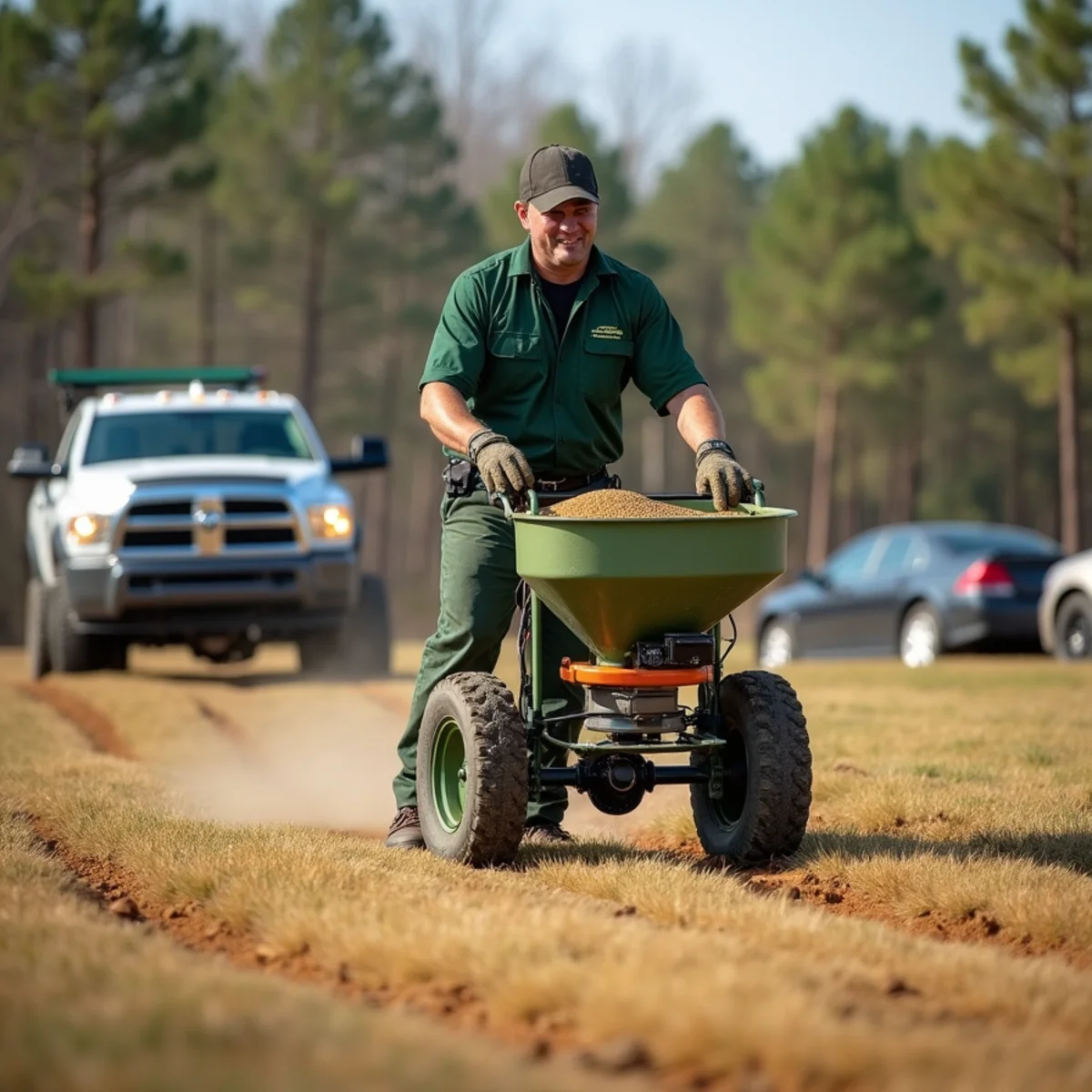
- Turf care: regular mowing, edging, and trimming of all common turf at a cadence that keeps pace with Alabama's growing season.
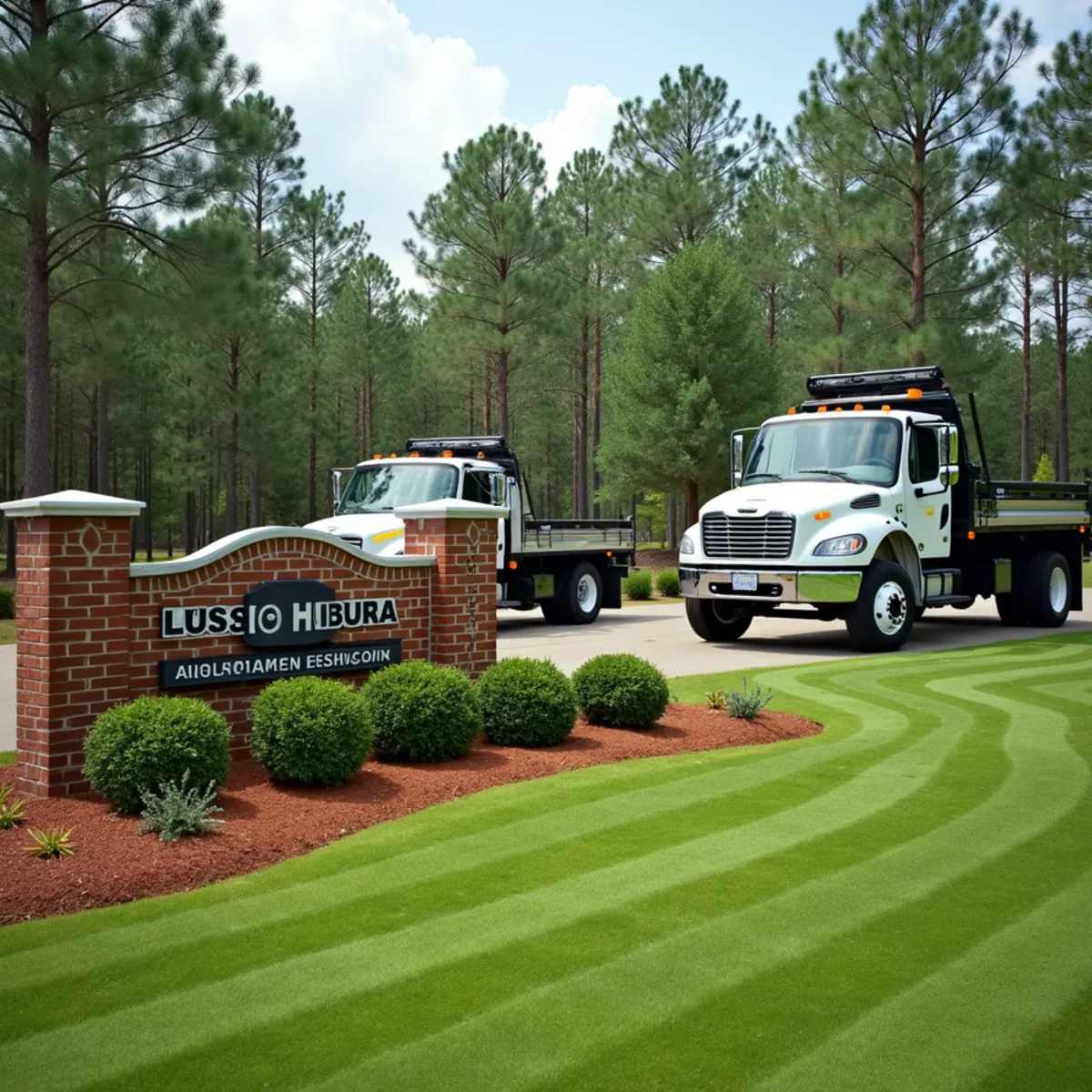
- Entrance and monument beds: the highest-visibility plantings, kept crisp with fresh mulch or pine straw and seasonal color.
- Medians, islands, and amenity areas: pools, playgrounds, and mailbox clusters maintained to the same standard.
- Tree and shrub care: pruning for health and sightlines, plus removal of hazards.
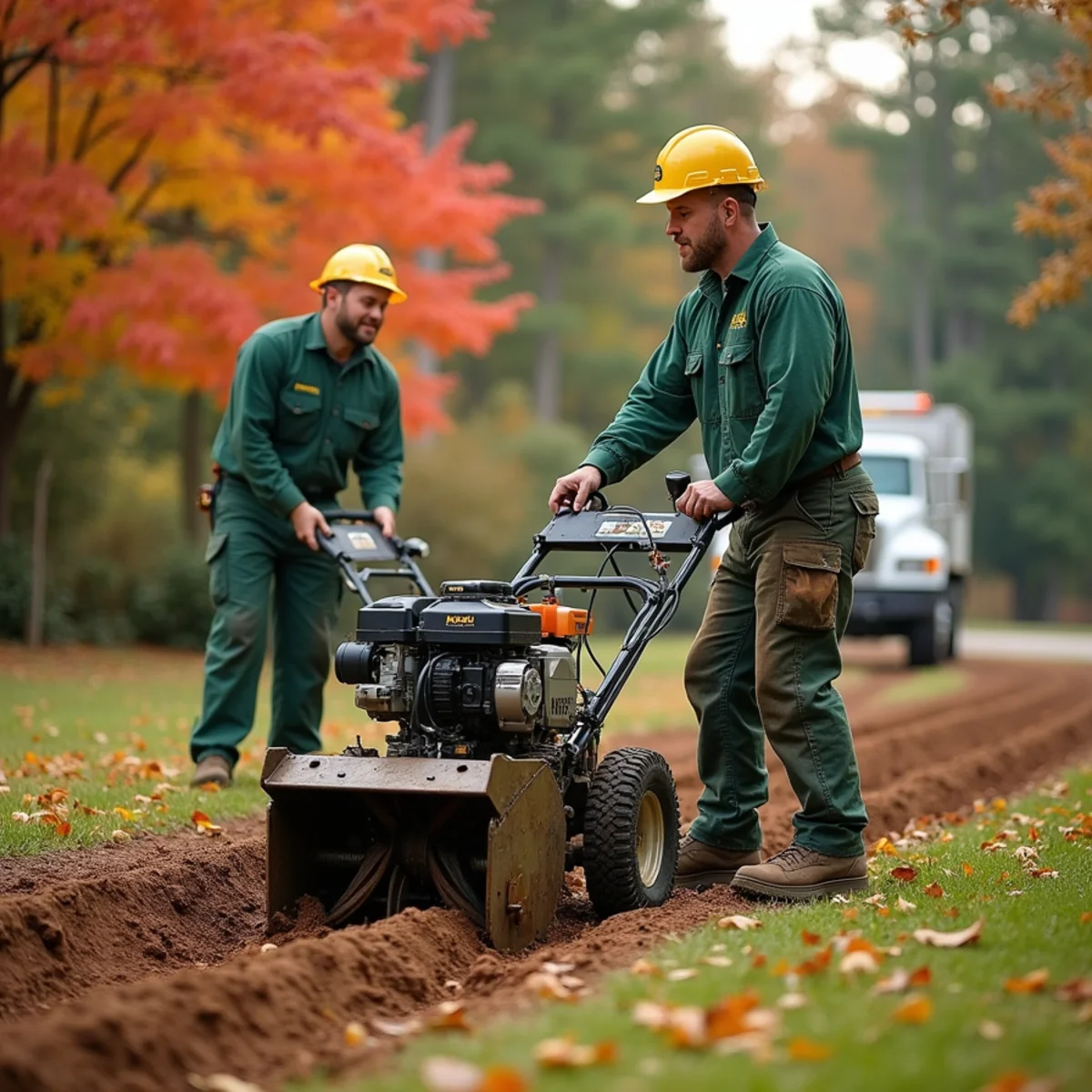
- Mulch and pine straw refresh on a schedule so beds never look tired.
- Seasonal cleanups and litter or storm-debris removal to keep shared spaces tidy year-round.
Our commercial grounds maintenance program is built to cover exactly this range under one consistent contract, so boards are not juggling multiple vendors for different pieces of the property.
Consistency Is the Whole Point
The defining quality of good HOA grounds is consistency, both across the property and across time. A subdivision where the entrance is immaculate but the back median is overgrown looks uneven and poorly managed. A property that is sharp in April and shaggy by July frustrates residents and invites complaints. Standards mean the whole property looks intentional, all season, every season.
Achieving that consistency depends on a maintenance partner who knows the property, keeps a reliable schedule, and sends consistent crews rather than a rotating cast. A vendor familiar with the subdivision's beds, irrigation, drainage, and trees delivers steadier results than one relearning the property every visit.
The Entrance: Where Curb Appeal Concentrates
If a board has to prioritize, the entrance is where investment pays off most visibly. The monument, its plantings, and the first stretch of median form the neighborhood's signature, and it is the single spot every resident and visitor sees daily. Crisp edging, fresh mulch or pine straw, healthy turf, and well-chosen seasonal color at the entrance elevate the perception of the entire community. It is high-leverage spending.
We often recommend that HOAs concentrate a portion of the budget on keeping entrance beds refreshed, using our mulch installation and pine straw service to keep that first impression sharp through every season.
Budgeting and Contract Structure
HOA boards operate on set budgets and value predictability, which is why an annual grounds contract billed in equal monthly installments usually suits them best. It levels the cost across the year even though the summer workload is heavier, giving the board a steady, plannable line item. We cover contract structures and scope in depth in our writing on commercial landscaping contracts, and the same principles apply to residential HOAs.
The key is a clearly written scope so the board knows exactly what is included, and the vendor knows exactly what is expected. Ambiguity is where HOA landscaping disputes are born; a detailed, transparent contract prevents most of them.
Communication and Accountability
Finally, good HOA grounds management runs on communication. Boards change, priorities shift, and residents notice things. A maintenance partner with a real local point of contact, who responds to concerns and flags issues proactively, saves boards enormous friction. When a tree looks unhealthy or a drainage problem appears in a common area, the board wants a partner who raises it, not one who waits to be told.
Protect Your Community's Curb Appeal
A subdivision's shared grounds are a shared investment, and consistent, comprehensive standards protect the curb appeal and value of every home behind them. Prioritize the entrance, insist on a clear scope, budget predictably, and choose a partner who knows your property. Truvian Lawn Care maintains HOA and subdivision grounds to a consistent standard across Montgomery, Prattville, and the River Region. Call (323) 606-0255 to discuss your community's grounds.
Related from Truvian Lawn Care